


Table of Contents
- Why Lightweight Botanical Oils for Face Beat Heavy Creams
- Quick Comparison: Lightweight Botanical Oils for Face
- Choosing a Botanical Face Oil for Oily Skin
- Jojoba Oil for Face: Why It Works for Combination Skin
- Facial Oil Before or After Moisturizer?
- How to Apply Facial Oil Correctly
- Conclusion
- Frequently Asked Questions
Last Updated: October 12, 2026
Why Lightweight Botanical Oils for Face Beat Heavy Creams
Lightweight botanical oils for face are plant-derived oils with small molecular structures that absorb quickly into skin, delivering hydration and barrier support without the heavy, greasy residue left by thick creams. At Pompom Skincare, effective nourishment should never feel like a coating.
Here's the problem with most heavy creams. They sit on the surface, trapping moisture but also trapping heat and sweat. For anyone with combination or oily skin, that trade-off rarely feels worth it. Lightweight botanical oils work differently. They sink in, get to work, and leave skin comfortable rather than congested.
Below, we'll break down what actually makes an oil lightweight, compare our botanical options side by side, and show you exactly how to apply them for the best results.
What Makes an Oil Lightweight
An oil feels lightweight when its fatty acid profile is dominated by linoleic acid rather than oleic acid. Linoleic acid is thin and fast-absorbing. Oleic acid, common in olive and coconut oils, is thicker and stays on the surface longer.
This is the distinction most guides skip. It's not about how "natural" an oil is. It's about chemistry.
Three practical markers of a lightweight oil:
- High linoleic acid content (jojoba, rosehip, raspberry seed)
- Low comedogenic rating (won't clog pores)
- Fast absorption time (under 60 seconds for most skin types)
If an oil leaves a film after two minutes, it's not lightweight. That's the honest test.
Quick Comparison: Lightweight Botanical Oils for Face
Choosing between our botanical oils comes down to skin concern and texture preference. Here's how they stack up.
| Product | Key Ingredients | Best For | Texture | Price |
|---|---|---|---|---|
| Calming Facial Oil | 1% Cannabidiol, hemp-derived | Dehydrated, reactive skin; sebum control | Silky, fast-absorbing | 34.99 |
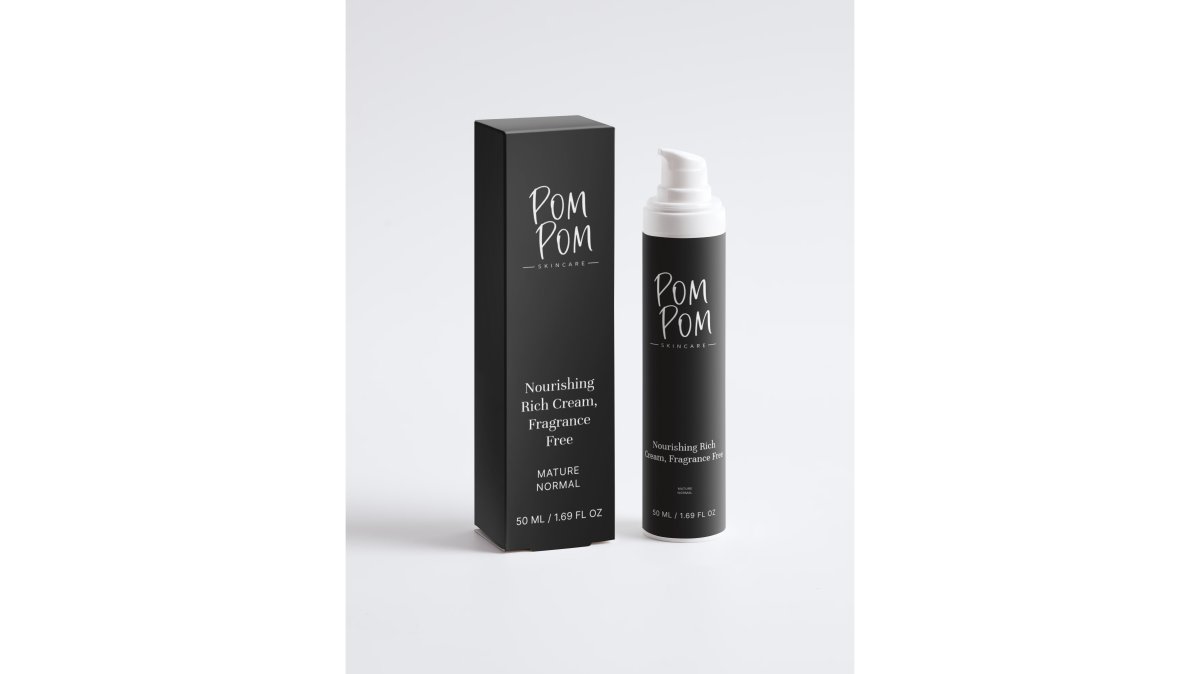
| Nourishing Rich Cream, Fragrance Free | Argan Oil, Cocoa Butter, Shea Butter, Cloudberry Extract | Mature, dry, barrier-damaged skin | Rich, velvety | 34.99 |
| Omega 6-9 Glowing Skin Body Oil | Jojoba, Argan, Rosehip, Raspberry, Pumpkin Seed, Sunflower, Sweet Almond | All-over hydration, post-shower glow | Lightweight, non-greasy | 34.99 |
For facial use specifically, the Calming Facial Oil is our pick. It carries cannabidiol at 1%, which has skin calming and sebum-controlling benefits, making it suitable for oily and combination skin.

The Nourishing Rich Cream suits anyone with a compromised barrier or mature skin that needs more occlusion. It's fragrance-free, which matters for reactive skin types.
The Omega 6-9 Glowing Skin Body Oil is built for the body, but its jojoba and rosehip base makes it a reasonable option for very dry facial patches in winter.
Choosing a Botanical Face Oil for Oily Skin
The best botanical face oil for oily skin is one high in linoleic acid and low in oleic acid, because linoleic acid helps regulate sebum production rather than adding to it. Jojoba, rosehip, and grapeseed oils fit this profile.

Oily skin doesn't need to avoid oil. It needs the right oil. Stripping skin with harsh cleansers triggers rebound oil production, which is why so many people with oily skin feel greasy by noon.
For combination skin, the Calming Facial Oil works well because cannabidiol has sebum-controlling properties alongside its calming effect. Two drops pressed into the T-zone after cleansing is enough. Resist the urge to use more.
Jojoba Oil for Face: Why It Works for Combination Skin
Jojoba oil for face is technically a liquid wax ester, not a true oil, and its structure closely resembles human sebum. That similarity is why skin tolerates it so well.
Jojoba doesn't just sit on top of skin. It signals to the sebaceous glands that moisture is present.
Combination skin benefits most. Jojoba hydrates dry patches without adding weight to oily zones. You'll find it in our Calming Facial Oil, blended with cannabidiol for additional calming support.
The one limitation: jojoba alone won't provide enough occlusion for very dry or mature skin.
Facial Oil Before or After Moisturizer?
Facial oil goes after moisturizer, not before. Oil molecules are larger than water-based moisturizer molecules, so applying oil first creates a barrier that stops your moisturizer from absorbing.
Here's the order that works:
- Cleanse
- Apply water-based serum or moisturizer
- Press 1-3 drops of facial oil over the top
- Finish with SPF in the morning
The exception is if your moisturizer is itself oil-based. In that case, use one or the other, not both.
How to Apply Facial Oil Correctly
Applying facial oil correctly takes about 30 seconds: warm 2-3 drops between your palms, then press, don't rub, the oil into your face in upward motions. Rubbing drags the skin and wastes product.
The full routine:
- Start with clean, slightly damp skin
- Dispense 2-3 drops into one palm
- Rub palms together for 5 seconds to warm the oil
- Press palms gently against cheeks, forehead, and jawline
- Use leftover oil on the neck and backs of hands
For the Nourishing Rich Cream, Fragrance Free, apply to clean skin and press in the same way. Its argan oil base means you'll need less than you think.
Common Mistakes to Avoid
Using too much product is the most frequent error. Three drops is plenty for the full face. Five or more will leave residue no matter how lightweight the oil is.
Other mistakes worth avoiding:
- Applying oil to dry, unmoisturized skin (it won't spread evenly)
- Using oil in place of SPF in the morning (it offers no sun protection)
- Skipping patch testing on reactive skin
- Storing oils in direct sunlight, which degrades the active compounds
Conclusion
Finding a lightweight botanical oil that actually suits your skin takes trial. Pompom Skincare formulates fragrance-free, fast-absorbing options designed to strengthen the skin's natural barrier without heaviness. Our Calming Facial Oil combines 1% cannabidiol with a silky texture suitable for all skin types, while the Nourishing Rich Cream delivers argan oil for mature or dry skin.
Get started with Pompom Skincare and build a routine that hydrates without the weight.
Frequently Asked Questions
What are the lightest oils to use on your face?
Jojoba, sunflower, raspberry seed, and pumpkin seed oils are among the lightest options because they absorb quickly and sit close to the skin's own sebum. Blends built around these, such as Pompom Skincare's Omega 6-9 Glowing Skin Body Oil, deliver hydration without a heavy film. If you want a single facial product, the Calming Facial Oil combines lightweight botanical oils with 1% cannabidiol, which calms skin and helps control excess sebum without weighing it down.
Which botanical oils are best for oily or combination skin?
Look for oils high in linoleic acid, like jojoba, rosehip, and raspberry seed. These tend to feel dry rather than greasy and are less likely to sit on top of the skin. A botanical face oil for oily skin should also be non-comedogenic. Pompom Skincare's Calming Facial Oil is formulated for all skin types, including oily and combination skin, and its 1% cannabidiol content helps regulate sebum production while adding glow.
Can lightweight facial oils clog pores?
Not all oils are pore-clogging. Heavy oils like coconut and wheat germ can block pores for some people, but lightweight botanical oils such as jojoba, sunflower, and raspberry seed are generally low on the comedogenic scale. Jojoba oil for face is a good example: its structure closely resembles human sebum, so it absorbs without leaving a residue that traps debris. Patch-test any new oil on your jawline for a few nights before applying it to your full face.
Should facial oil go on before or after moisturizer?
Facial oil goes after moisturizer. Moisturizer is water-based and hydrates the skin, while oil is occlusive and seals that moisture in. Apply your moisturizer first, let it settle for a minute, then press one to three drops of oil over the top. This order holds true whether you use a rich cream like Pompom Skincare's Nourishing Rich Cream, Fragrance Free, or a lighter lotion. Reversing the order can prevent the moisturizer from absorbing properly.
Can you use face oil every day?
Yes, most lightweight botanical oils are gentle enough for daily use. Start with one drop in the evening and increase to two or three as your skin adjusts. If you have oily or combination skin, you may prefer to use oil only at night or every other day. Pompom Skincare's Calming Facial Oil can be mixed into your moisturizer or used alone, making it easy to control how much you apply each day.